Category: Dormice

  • From Learner to Licensed

    From Learner to Licensed

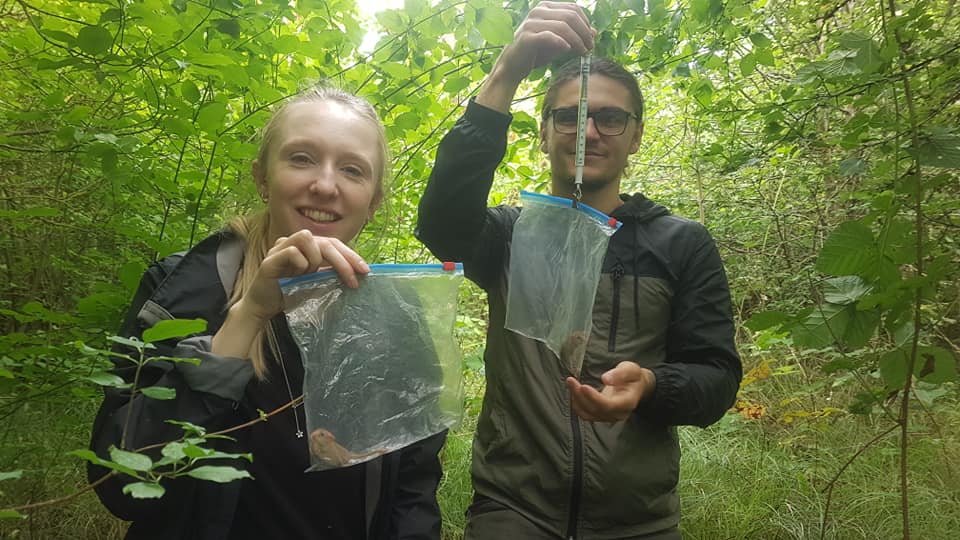
    Volunteers checking a dormouse nest box in the woods

    In 2019, myself and my partner joined the Nottinghamshire Dormouse Group, hoping to see our first dormouse. We were not disappointed, and quickly became regular volunteers with the group. The other members were welcoming and shared insight on all things ecology. At the end of our first season, we felt very lucky to have seen and helped to process so many dormice. During the winter months we also attended woodland management work parties, learning more about dormouse habitat preferences.
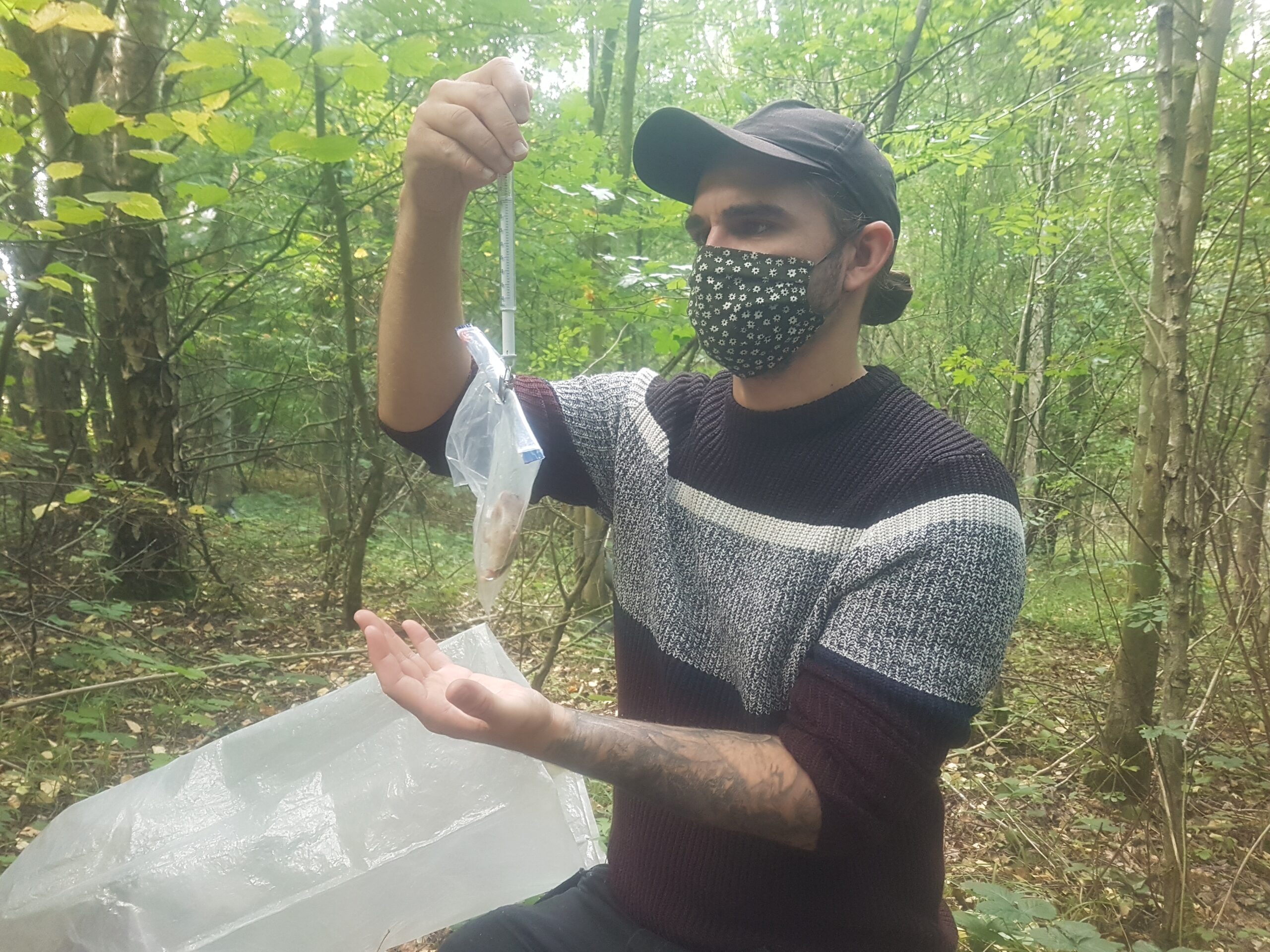
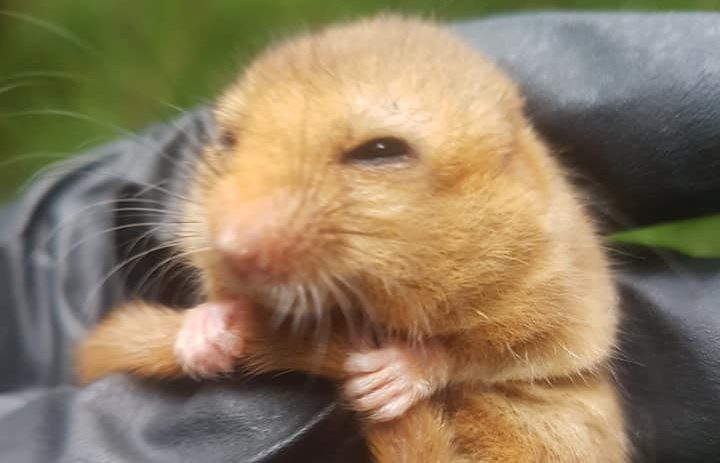
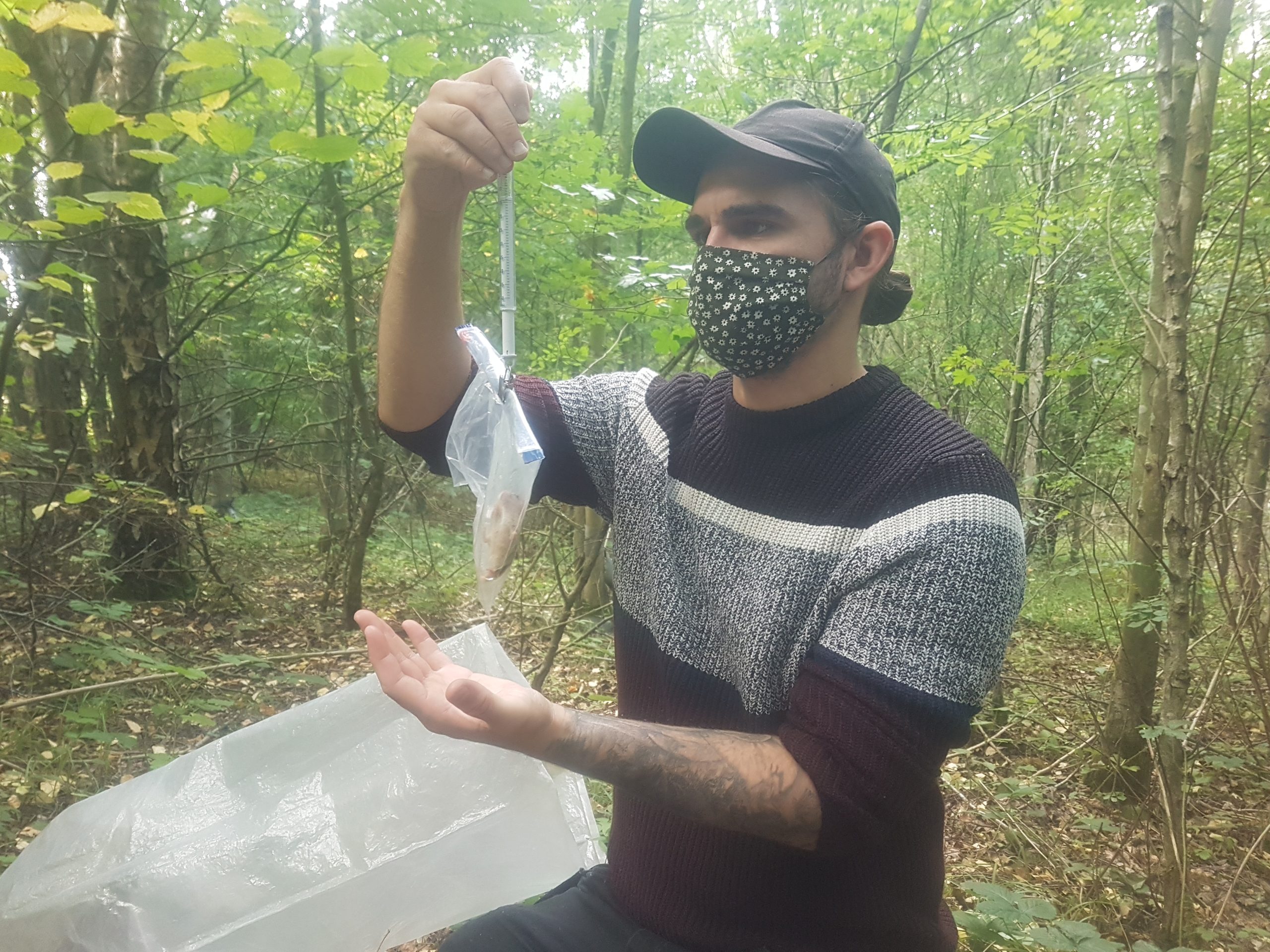
    A volunteer holding a dormouse during a training session

    At the start of the 2020 survey season, we were kindly offered the opportunity to become trainees with the group, with the aim of eventually gaining references for our own survey licences. Having snapped up the offer we were now attending as many sessions as we could and making good progress. As trainees, we were given plenty of opportunity to handle dormice and on the rare occasions that there weren’t so many to process- we were the first in line! The more experienced members of the group were always happy to share tips and gave us plenty of encouragement along the way. The pandemic slowed our progress, limiting the capacity of the group to host volunteers, however we were still able to be enrolled on an online theory course covering dormouse ecology. The learning and support never stops!

    With the lockdowns over and our dormouse knowledge enforced were eager to get back to the woods! The 2022 season gave us lots of opportunity to improve our technique and gain experience. By the end of the season, we were confidently handling dormice and (usually) correctly identifying nest types as well as dormouse sex, age class and breeding status. To get licences we would first need to pass an assessment, proving ourselves competent dormice handlers. Lorna, the leader of the group, observed us putting what we had learnt into practice. We were not let off easy with two days of packed nest boxes. At the end of each session, it was announced that we had both passed our assessments and that we would obtain the references we needed for our license applications. Being a trainee was an absolute privilege and are grateful for all the help along the way. Now that we have successfully gained our licenses we are looking forward to the next season and the opportunity to share some of what we have learnt with any newcomers to the group!

    Joe Hall

    Licenced Member of the Nottinghamshire Dormouse Group

  • Negative Footprint Tunnel Records

    Negative Footprint Tunnel Records

    Finding hazel dormice isn’t easy. And it’s even more difficult to prove that they’re absent from a particular patch. But dormice are protected in law. So, when new houses are built or roads expanded, the developers must ensure that any hedges, shrubby habitat or woodlands that are likely to be disturbed or destroyed, are thoroughly checked to see if dormice are present.

    The current tried and tested method used in England and Wales is nest tubes: long plastic tunnels with a wooden insert. They’re placed in hedgerows or hanging horizontally from branches and checked regularly for evidence of nests. Both Natural England and Natural Resources Wales – the government’s advisers for the natural environment in England and Wales – recommend nest tubes as the best means of surveying for dormice. But there are problems with the method.

    Hundreds of such surveys have been carried out over the past fifteen years and positive records of dormice submitted which helps build up a picture of dormouse distribution and their wider ecology. But there has never been a way of recording negative records. And negative records of species (collected using a standardised way) are important. They help us define a species range and predict more accurately where we’re likely to find dormice.

    Read on https://ptes.org/where-dormice-are-and-arent-the-advantages-of-footprint-tracking-tunnels/

  • 2020 Update

    2020 Update

    The following PDF document provides an update on the 2020 dormouse monitoring & wider landscape dispersal

    Nottinghamshire Dormouse Project 2020 Update

  • Dormouse Hibernation Webinar

    Dormouse Hibernation Webinar

    In this presentation, Leo Gubert (Highways England Ecologist and PhD Researcher at the University of Exeter) shares his knowledge on the secret lives of hibernation hazel dormice (Muscardinus avellanarius) including an insight into the nesting materials, likely habitats used, and distance of hibernation nests from summer nest locations.

    Information is also given on potential strategies to detect dormouse hibernation nests, and methods to reduce impacts during woodland management/development activities.


  • Free Webinar on Dormouse Hibernation

    Free Webinar on Dormouse Hibernation

    We will be hosting a free webinar on Tuesday 8th December at 7pm. The talk will be presented by Leo Gubert and is likely to cover both the professional survey & mitigation side of dormouse hibernation as well as some of the results from his PhD research.

    Places are limited, so can I please ask that you only book on to the talk if you are intending to attend. We will be recording the session and therefore you can catch watch it at a later date on our You Tube channel: https://www.youtube.com/channel/UCa-3Fm0h8qHQiNzomVLEmLA.

    To book a place please email events@nottsdormousegroup.uk

    The talk will be approximately 45 minutes long, with a 15 minute Q&A session at the end.

  • A Tale of Two Woodlands….

    A Tale of Two Woodlands….

    The July monitoring results were significantly different between the two main sessions, Treswell versus Gamston & Eaton. On Saturday July 18th 2020, a small team of licenced handlers including myself (Lorna),  Courtenay & Victoria, with our trusted sidekick Colin (unlicensed), headed to Treswell Wood.

    Courtenay and myself ventured off alone, whilst Vicky and Colin worked as a team (whilst observing social distancing rules). Vicky has not learnt all of the woodland routes yet, so she was safely guided around the woodland by Colin, who also acted as her data assistant.

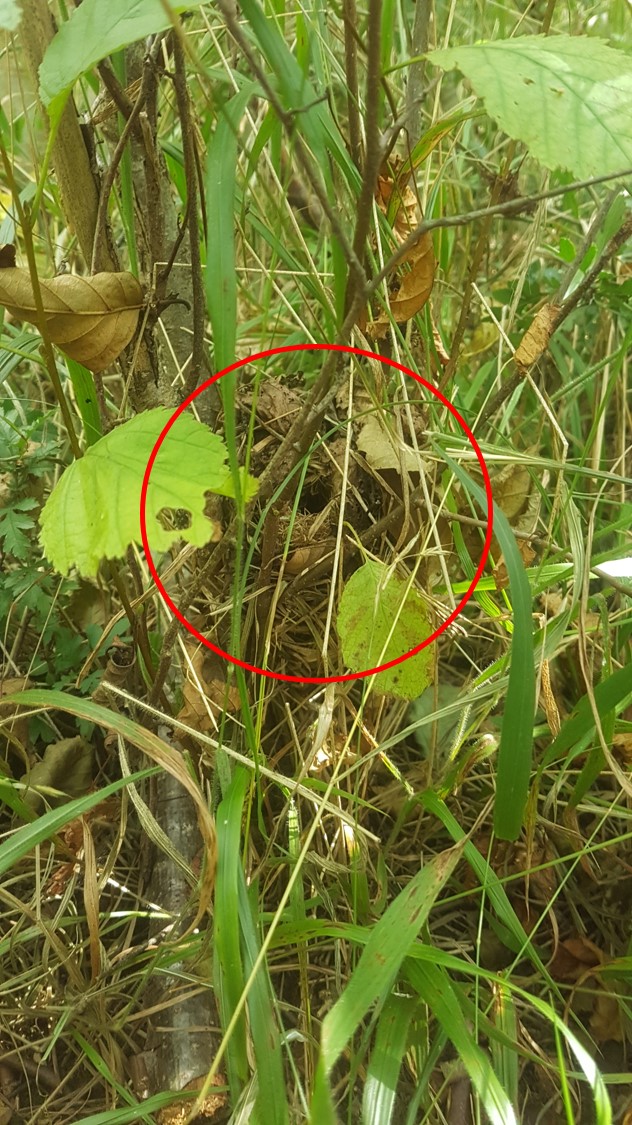
    Unfortunately, no dormice were recorded in any of the dedicated dormouse nest-boxes. This is thought likely due to the large swathes of bramble scrub present within the woodland. At this time of year, the dormice will be feeding primarily on bramble flowers and the blackberries that are slowly starting to ripen. Along with providing a vital food source, the dense nature of the scrub also provides ideal wild nesting habitat and therefore it is likely that the Treswell dormice are going ‘au naturel’ at the moment.

    The Gamston (with Silcock Wood) & Eaton Woodlands nest-box monitoring check was a entirely different affair, with a total of 31 dormice recorded (15 more than July 2019). Myself, Phil, Michael & Katie (assisted by Colin) ventured out into the woodlands on Saturday 25th July 2020. Michael & Phil concentrated on the Eaton Wood nest-boxes, I checked the Silcock nest-boxes (along with a couple of Gamston sections), whilst Katie & Colin checked the remaining Gamston Wood sections.

    I must add that the mosquitoes were hell…the humid conditions had brought them out in swarms & they were all vying for our blood! Nevertheless, we recorded at least 5 dormouse litters, ages (age categories) ranged from ‘eyes closed’ (estimated 14 – 16 days old as they were very active), ‘eyes open’ (16 – 20 days old) & independent juveniles (20 – 28 days old). One nest-box contained 6 very curious in the ‘eyes open’ category (see video). Mum was not present in the box, and is likely to have been having ‘time out’ in a wild nearby nest.

    We also recorded several adult males in prime breeding condition, & two pregnant females. One of which was already caring for a litter of juveniles on the brink of independence.

    During the Eaton/Gamston check, I ventured out to check some nest-boxes that we had installed along the railway line, and was very pleasantly surprised to find a perfectly woven little dormouse nest in one of them. This is excellent news as it confirms that the dormice are dispersing along the railway bank, into the wider landscape. Our nest task is to install some more nest-boxes further south, as well as on the far side of the rail-tracks to try to determine just how far they have travelled.

    Six curious juvenile dormice in a nest box.
  • 2019 round up

    2019 round up

    2019 has been another year of surprises, with oodles of positive outcomes. As such, I thought it worth celebrating all of the groups’ hard work this year by rounding up all of your achievements and discoveries.

    I think perhaps by far our biggest discovery was the dispersal of dormice into Silcock Wood which is adjacent to Gamston Wood. Very early in to the 2019 season we discovered a pregnant female in one of the 10 boxes that we installed. Each month after that we recorded more and more dormice inhabiting the boxes which led to the setting up of 10 additional boxes. During installation a pregnant female and wild nest was discovered very close to the railway line. Hopefully, the dormice have already started to disperse along the rail-track habitat and further afield.

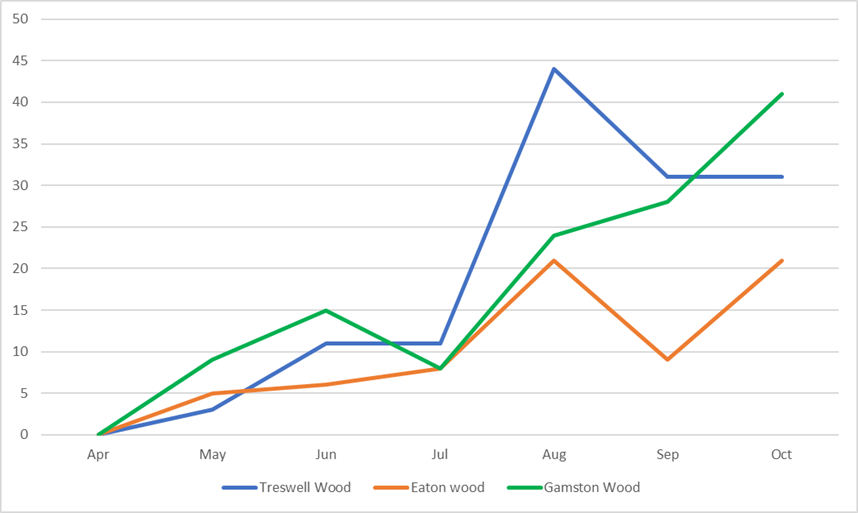
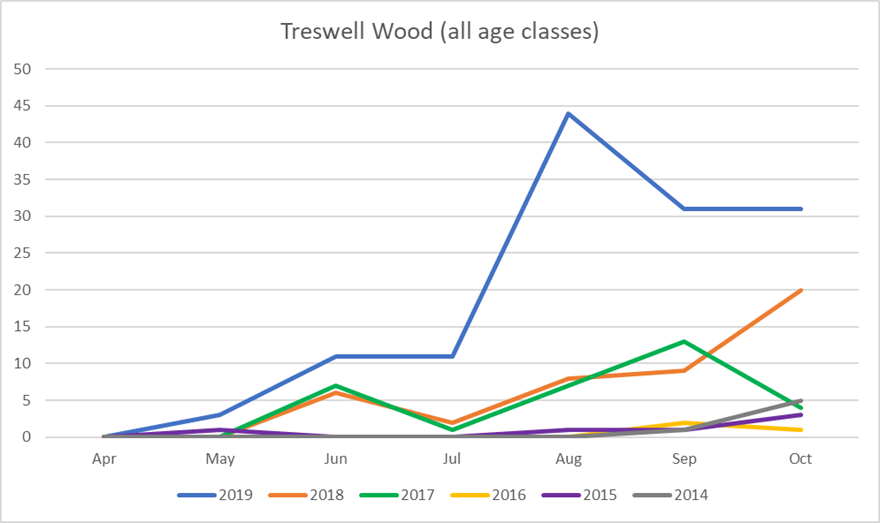
    Overall, dormouse numbers continue to rise in all three woodlands. Looking at the data, Gamston appears to have come out as the overall winner, however, the data includes the Silcock Wood dormice and therefore once again we must crown Treswell Wood as the King of all woodlands.

    Chart of dormice recorded per month in each of the three woodlands during 2019
    The graph above shows the overall number of dormice capture per month in each of the three woodlands during 2019 (all age classes).

    Treswell Wood

    Chart of 2019 dormouse records in Treswell Wood

    As many of you will know, the reintroduction in Treswell Wood was undertaken in 2013 and during the next three years dormouse sightings were low. However, things started to improve over subsequent years and numbers have been increasing ever since, with 2019 being our best year yet. This may of course be attributed in part to the further release of eleven new dormice to the woodland in June, to increase the genetic diversity of the population. We also recorded dormice in 3 new sections, C, K & L. In terms of squatting dormice, the bird-ringing team have recorded less incidents, though we have still had a couple of dormice hijack bird boxes. A wild dormouse nest was also recorded recently in bramble scrub along the edge of D-section.

    Gamston Wood

    Chart of 2019 dormouse records by month

    Gamston wood has seen a steady increase all year (this data includes Silcock Wood), with numbers spiking in September and October, likely due to dispersing juveniles. In the spring we mounted boxes along the western and southern boundaries, and later in the year recorded dormice in both sections, L-section on the western boundary became our most productive section, with 6 out of the 10 boxes recording dormice including litters. K-section, which was also new this year, recorded several dormice including a pregnant female in August and September. In terms of overall sections inhabited, Gamston wood was the most productive, with dormice recorded in 9 different woodland compartments (sections).

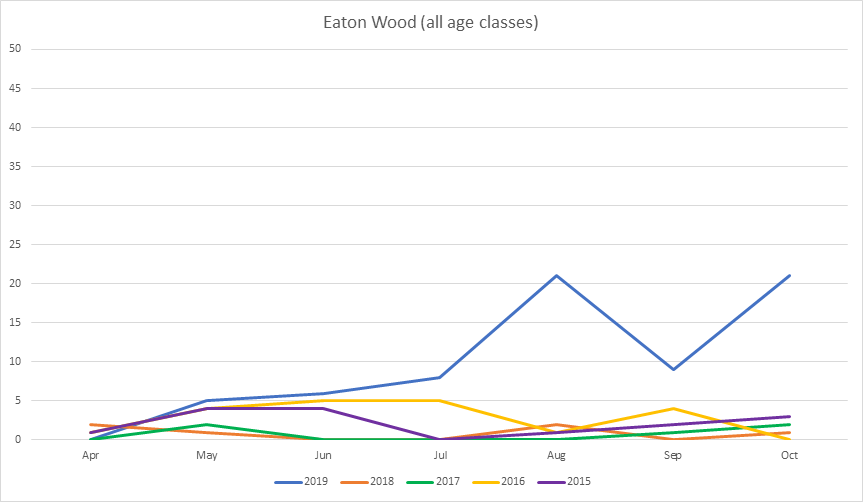
    Eaton Wood

    Chart of 2019 dormouse records by month

    Each year since the reintroduction to Eaton Wood in 2014, dormouse numbers have been relatively low. This year however we recorded our best numbers yet. Michael and Dave braved the jungle that is J-section (optimal scrub habitat) to install 20-boxes, this section has proven to be our most productive section so far. We have plans to increase the number of boxes for the 2020 season. In terms of management, Eaton Wood is behind the other two woodlands, but with all the work that the Dormouse Group, Nottinghamshire Wildlife Trust and woodsman Ray Lister and his team have done so far to enhance the woodland, we can expect dormouse numbers to increase over the next 3 or 4 years.

    Lorna Griffiths

    Chair